Jul 14, 2026Information for You
Brass Metal Plaques: Timeless Elegance for Luxury Interiors and Exteriors
When architects, interior designers, and premium hospitality brands seek signage that communicates permanence and prestige, brass metal plaques remain one of the most requested fin...
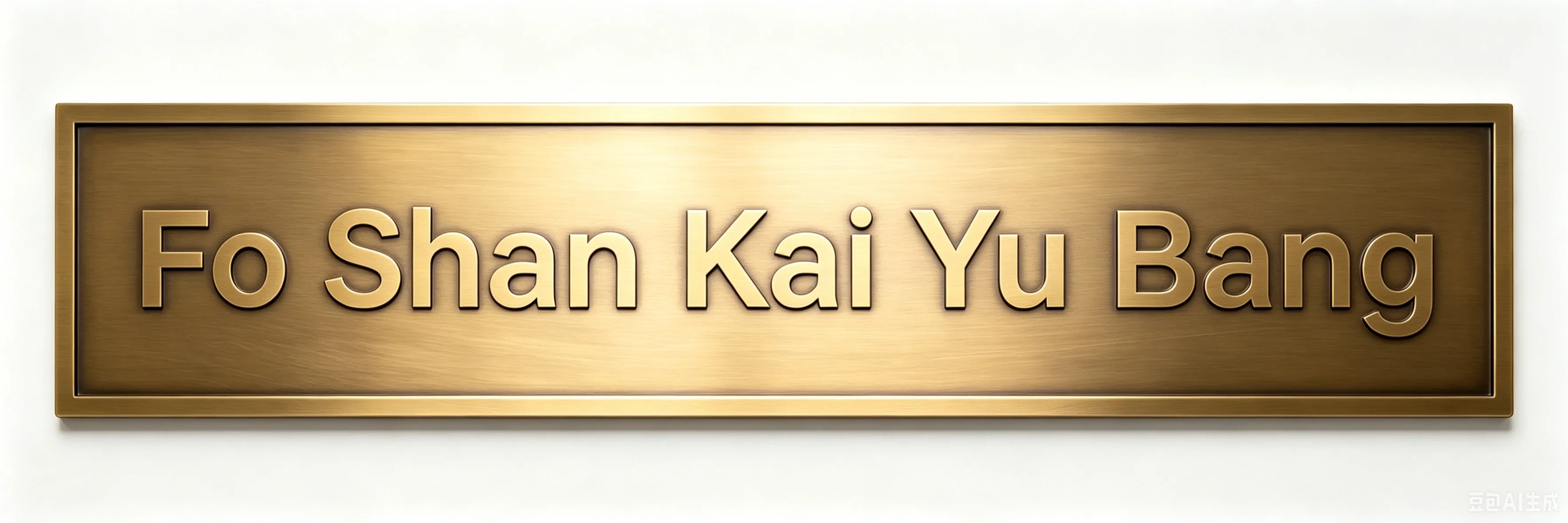
When architects, interior designers, and premium hospitality brands seek signage that communicates permanence and prestige, brass metal plaques remain one of the most requested finishes in the luxury market. The warm golden tone of brass instantly elevates an entrance wall, reception desk, or memorial installation, offering a visual cue that the space behind it values craftsmanship and heritage.
Brass is an alloy of copper and zinc, and that composition gives it a unique combination of malleability and durability. Unlike painted or printed alternatives, brass metal plaques age gracefully. Over time, they develop a natural patina that many designers specifically request because it adds character and depth. For clients who prefer a cleaner, more polished appearance, lacquered or clear-coated finishes can preserve the bright gold tone for years.
Why Brass Stands Out Among Metal Plaques
Among the many material options for metal plaques, brass occupies a distinctive position. It sits between the industrial coolness of stainless steel and the rustic warmth of copper, offering a balanced aesthetic that works in both traditional and modern environments. Luxury hotels, law firms, private clubs, and boutique retail spaces frequently specify brass metal plaques because they pair beautifully with wood, marble, leather, and ambient lighting.
From a manufacturing perspective, brass is excellent for engraving, etching, and casting. Engraved metal plaques made from brass can hold fine detail in lettering, logos, borders, and decorative motifs. The contrast between the bright brass surface and the darker recessed engraved areas creates legible, elegant text without the need for additional paint infill, though paint filling is available for projects requiring color-coded information or maximum readability.
Applications of Brass Metal Plaques
The versatility of brass plaques extends across residential, commercial, and public spaces. Common applications include:
Door and Entrance Signage: Brass metal plaques mounted beside or on entry doors provide an immediate sense of arrival. Whether for a private villa, a corporate headquarters, or a historic building, brass door plaques signal importance.
Name and Title Plates: Executive offices, boardrooms, and reserved suites often use brass metal name plaques to identify occupants. These small but meaningful details contribute to a cohesive brand environment.
Memorial and Commemorative Plaques: Brass memorial metal plaques are frequently installed in gardens, chapels, museums, and donor recognition walls. The material’s longevity makes it a fitting tribute to lasting legacies.
Interior Branding and Wayfinding: In hotels and resorts, brass plaques guide guests while reinforcing the property’s design narrative. Coordinated room numbers, directional signs, and amenity labels all benefit from a unified brass finish.
Design Options for Custom Metal Plaques in Brass
No two luxury projects are identical, and that is why custom metal plaques are essential. With brass, clients can choose from a range of finishes and fabrication techniques:
- Polished Brass: High-gloss mirror finish that reflects light and creates a glamorous effect.
- Satin/Brushed Brass: Soft directional sheen that hides fingerprints and suits minimalist interiors.
- Antique Brass: Chemically or mechanically aged surface that evokes classic European design.
- Brushed and Lacquered Brass: Combines a refined texture with protective coating for low maintenance.
- Cast Brass: Used for three-dimensional plaques, emblems, crests, and ornate frames.
Engraving methods include rotary engraving, laser engraving, and chemical etching. Each method produces a different visual texture. Rotary engraving cuts a clean V-shaped groove; laser engraving offers precision for intricate artwork; chemical etching is ideal for large surface areas with detailed patterns.
Pairing Brass with Other Materials
Luxury signage is rarely made from a single material. Brass metal plaques are often paired with black acrylic, walnut backing, polished stone, or brushed aluminum to create layered compositions. For example, a brass plaque mounted on a dark slate base achieves a museum-quality presentation. A brass plaque with through-mounted standoffs floats slightly above the wall, casting subtle shadows that enhance its dimensionality.
Designers also combine brass with LED backlighting. Backlit brass plaques create a soft halo effect around the text, making signage readable in dimly lit environments while maintaining an upscale atmosphere. This is especially popular in hotel lobbies, lounges, and high-end residential entrances.
Sustainability and Maintenance
Brass is a recyclable material, and many clients appreciate the sustainability profile of metal plaques compared to plastic or vinyl alternatives. Maintenance is straightforward: occasional dusting with a soft cloth and, if needed, a gentle brass cleaner will restore the finish. For outdoor brass plaques, a protective lacquer layer reduces oxidation and extends the visual lifespan.
Conclusion
Brass metal plaques represent a timeless investment in quality and aesthetics. They are equally at home in a centuries-old heritage building or a contemporary boutique hotel. By selecting the right finish, engraving method, and mounting approach, designers and procurement teams can create custom metal plaques that reinforce brand identity, honor tradition, and stand the test of time.