Aug 13, 2026 Choose Guiding
How to Choose Metal for Custom House Number Signs
Compare stainless steel, aluminum, iron and copper for custom metal plaques and learn which material works best for outdoor house number signs.
How to Choose the Best Metal for Custom House Number Signs
Choosing a house number sign may look like a simple design decision, but the material behind the sign determines much more than its appearance. Weather resistance, maintenance, weight, surface finish, engraving quality, installation method, and even the architectural style of the property can all influence which material is the better choice.
For homeowners, architects, contractors, and property developers looking for custom metal plaques, four materials are especially common: 304 stainless steel, aluminum, iron, and copper.
There is no single material that is perfect for every project. A brushed stainless steel plaque may complement a contemporary villa, while an aged copper plaque can add character to a traditional residence. Understanding these differences helps buyers choose a sign that looks appropriate and performs reliably in its intended environment.
1. 304 Stainless Steel: A Practical Choice for Modern Outdoor Signs
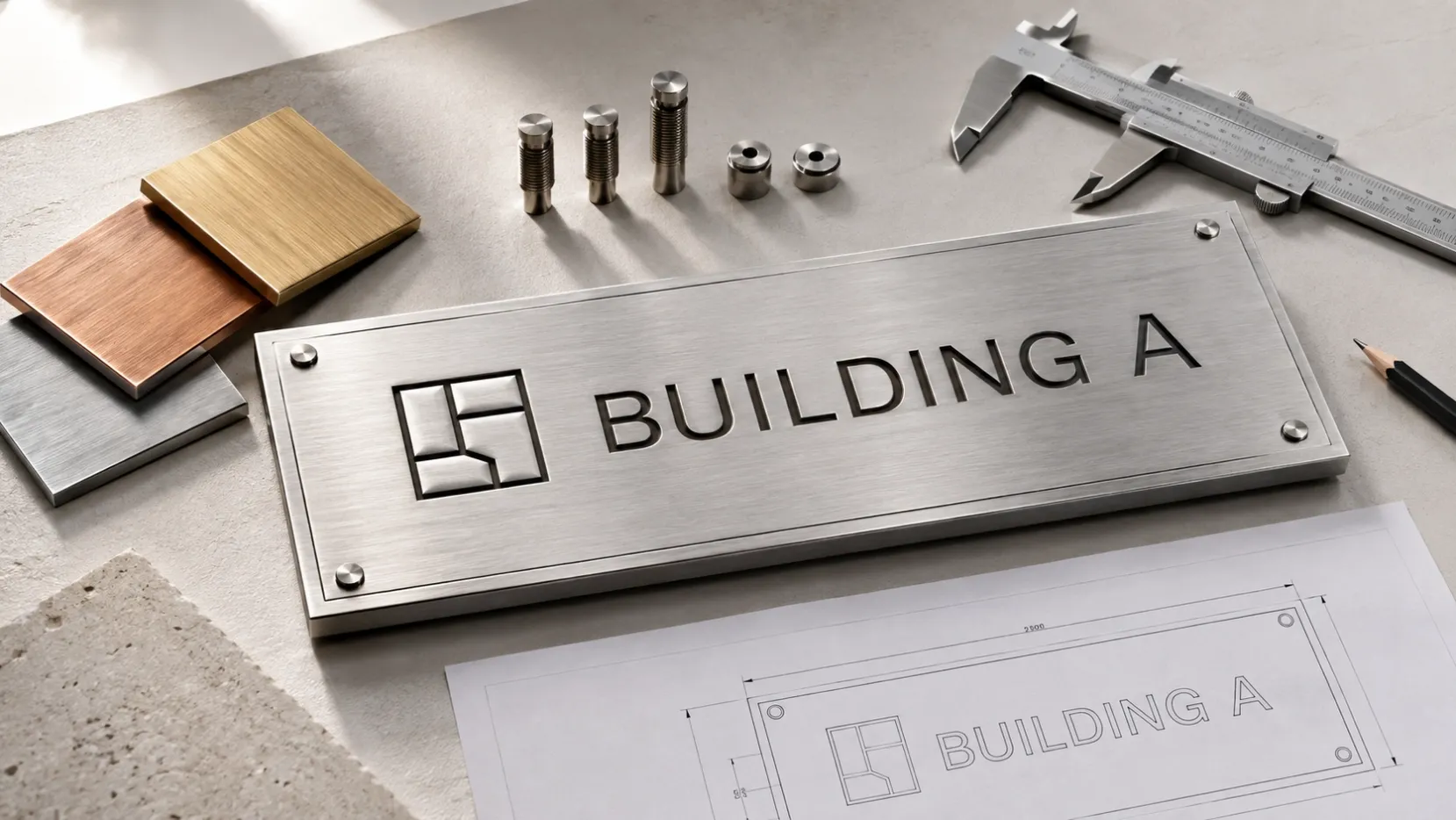
304 stainless steel is widely used for engraved metal plaques for outdoors because it combines a clean appearance with good general corrosion resistance.
Its naturally metallic surface is particularly suitable for contemporary architecture.
Key Advantages of 304 Stainless Steel
- Good corrosion resistance for many outdoor environments
- Strong and dimensionally stable
- Suitable for brushed, polished and coated finishes
- Works well with laser engraving and precision cutting
- Easy to coordinate with modern architectural materials
A brushed finish reduces excessive reflections while retaining the characteristic metallic texture. Black engraving or raised contrasting numbers can further improve readability.
For a modern house number sign, stainless steel works especially well with concrete, natural stone, glass and minimalist exterior walls.
When Should You Choose 304 Stainless Steel?
It is a strong general-purpose option for:
- Residential entrances
- Apartment buildings
- Villas
- Offices
- Hotels
- Commercial properties
For particularly aggressive coastal or chloride-rich environments, the exact stainless-steel grade and protective system should be evaluated according to the installation conditions rather than assuming one grade suits every location.
2. Aluminum: Lightweight and Flexible for Custom Designs
Aluminum offers a different advantage: low weight.
For larger custom metal signs, reducing weight can simplify installation and reduce the load placed on the mounting surface.
Why Choose Aluminum?
Aluminum provides:
- Low weight
- Good design flexibility
- Good corrosion resistance when properly finished
- Easy fabrication
- Multiple coating options
- Suitability for larger signs
Its surface can be anodized, powder coated, painted or combined with contrasting lettering.
This makes aluminum useful when designers need a specific color rather than a natural metallic appearance.
Best Applications
Aluminum is well suited to:
- Custom house number signs
- Apartment numbers
- Directional plaques
- Building identification
- Commercial signs
- Large wall-mounted signs
A properly finished aluminum plaque can provide a clean, contemporary appearance without the additional weight associated with heavier metals.
3. Iron: Traditional Character and Strong Decorative Potential
Iron has a completely different visual language.
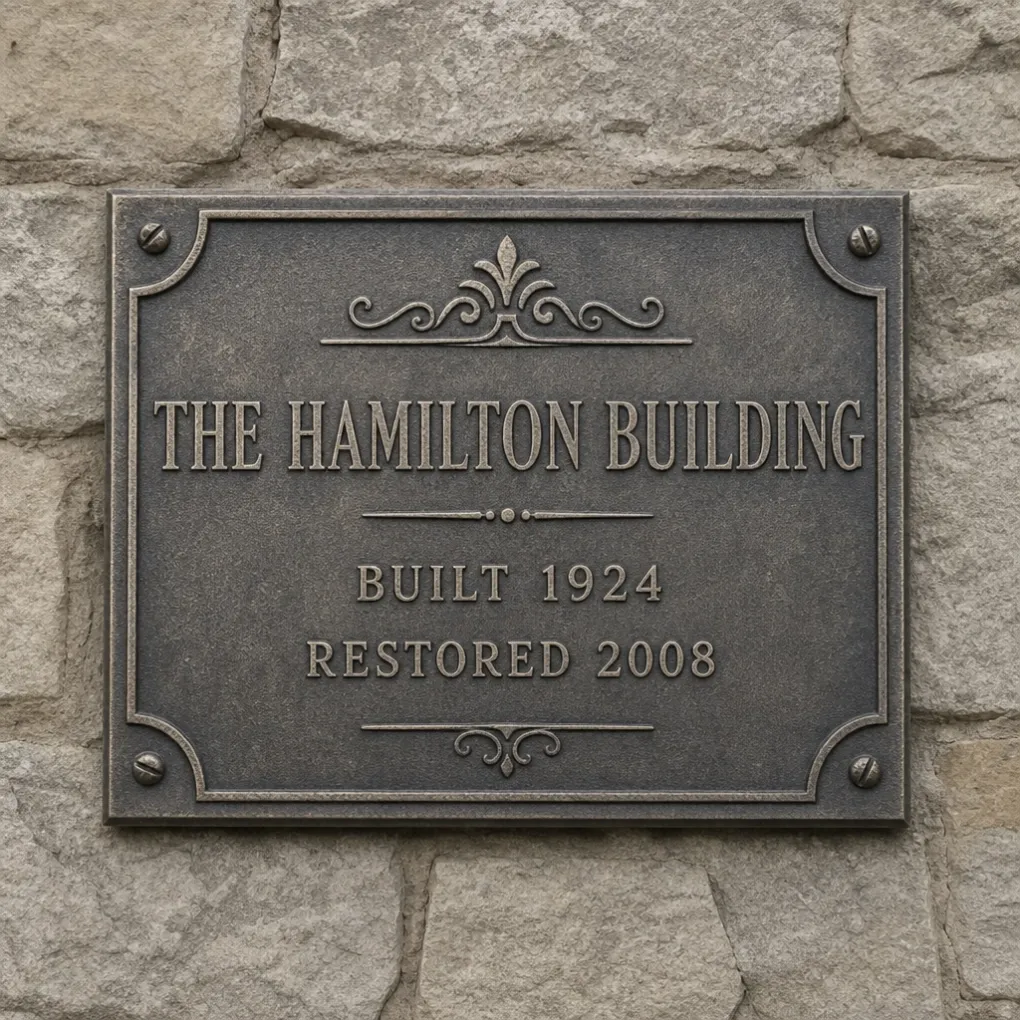
While stainless steel often communicates modern simplicity, iron is better suited to classical, rustic and heritage-inspired designs.
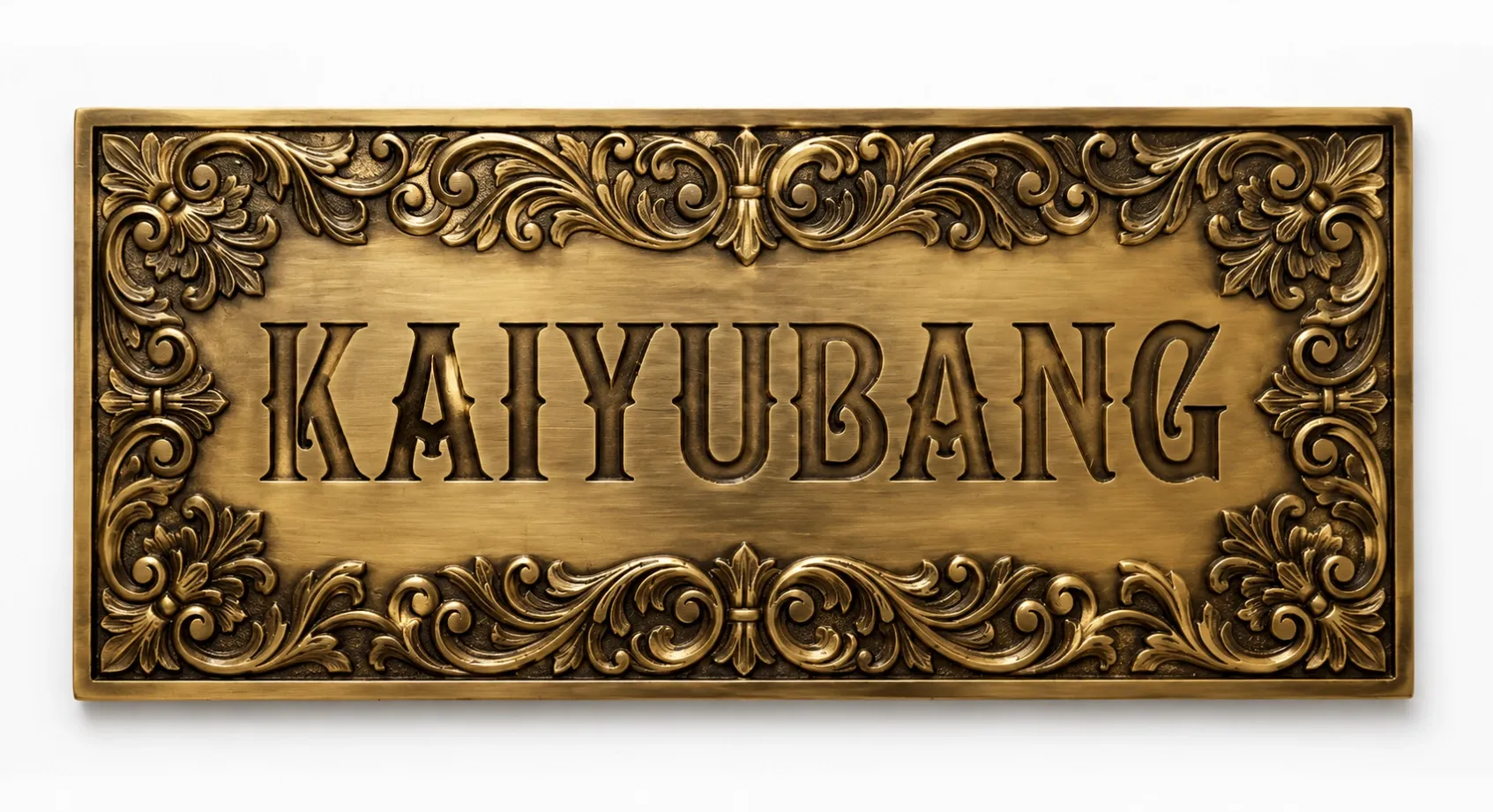
An iron plaque sign can incorporate:
- Raised borders
- Decorative scrollwork
- Traditional serif lettering
- Floral elements
- Antique-style textures
- Black and gold finishes
This makes it particularly attractive for European-style villas, garden entrances and traditional residences.
The Main Consideration: Corrosion Protection
Untreated iron can rust when exposed to moisture.
For an outdoor iron plaque, surface protection therefore becomes part of the product design rather than an optional finishing step.
Depending on the project, improvements can include:
- Zinc-rich primer
- Powder coating
- Outdoor paint systems
- Sealed edges
- Protective topcoat
- Regular inspection in demanding environments
Iron can be an excellent decorative material when the surface treatment is properly designed for the intended installation environment.
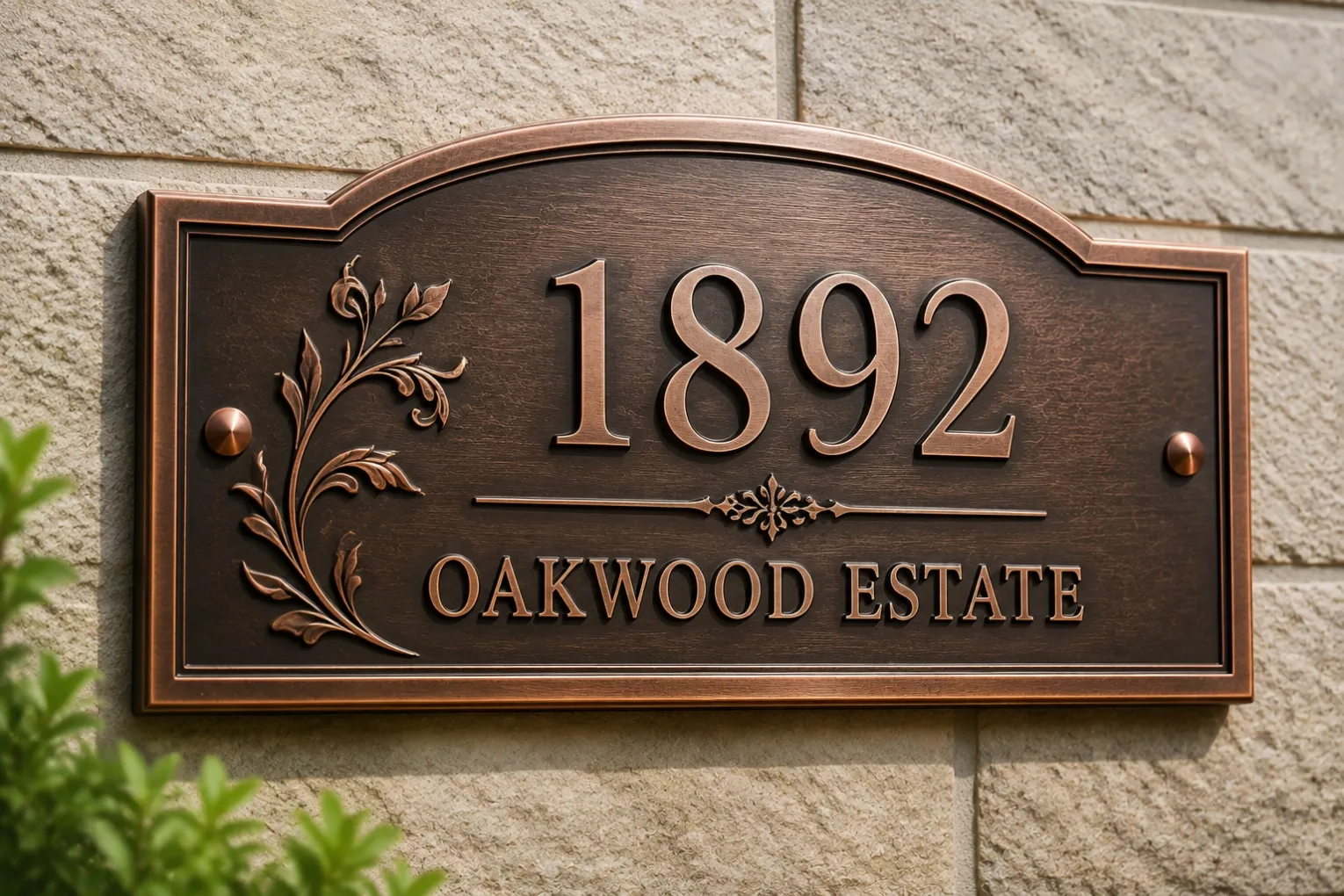
4. Copper: A Premium Material That Changes with Time
Copper is valued not only for its metallic color but also for the way its surface evolves.
Fresh copper can have a bright reddish appearance. Through oxidation and environmental exposure, the surface gradually develops deeper brown tones and, under certain conditions, a natural patina.
Instead of treating this change as a defect, designers often use it as part of the visual concept.
That makes copper and custom brass plaque styles particularly attractive for:
- Luxury residences
- Family name plaques
- Heritage properties
- Commemorative plaques
- Hotels
- Traditional architecture
A copper plaque can therefore become more visually distinctive as it ages.
Stainless Steel vs Aluminum vs Iron vs Copper
Material | Main Advantage | Appearance | Maintenance | Recommended Use |
|---|---|---|---|---|
304 Stainless Steel | Balanced outdoor performance | Modern | Low | Villas, homes, commercial buildings |
Aluminum | Lightweight | Modern and versatile | Low | Large signs and residential projects |
Iron | Decorative potential | Traditional | Higher | Classical villas and garden entrances |
Copper | Premium aging character | Luxury / vintage | Moderate | Estates, heritage and family plaques |
The right choice depends on more than price. Climate, architecture, expected service life and desired surface appearance should be considered together.
How Climate Affects Your Material Choice
Humid and Rainy Areas
Moisture exposure makes corrosion resistance particularly important.
Stainless steel and properly treated aluminum are practical options for many humid environments.
For iron signs, a complete protective coating system should be specified.
Coastal Locations
Salt-containing air can accelerate corrosion.
For coastal projects, material grade, fasteners, surface protection, drainage and cleaning requirements should all be considered as part of the design.
Dry and Sunny Regions
Strong sunlight can affect coatings and painted surfaces.
UV-resistant finishes are particularly important when the sign contains:
- Painted graphics
- Powder coating
- Colored lettering
- Protective clear coats
Cold Regions
Repeated freezing, thawing, snow and moisture can place additional stress on mounting systems.
In these locations, the plaque material is only one part of the solution. Fasteners and installation details also need to withstand the local environment.
Engraving Can Be as Important as the Base Metal
Choosing the right metal is only the beginning.
High-quality laser engraved metal plaques depend on controlled manufacturing.
Depending on the design, manufacturers may use:
- Laser engraving
- CNC engraving
- Etching
- Embossing
- Relief carving
- Raised lettering
- Precision cutting
Deep engraving can create stronger shadows and improve visibility, while shallow engraving works well for minimalist graphics and fine text.
The process should therefore be selected according to both the metal and the visual objective.
Don't Ignore Readability
A beautiful outdoor house number sign still needs to perform its primary function: helping visitors identify an address.
Consider:
Contrast
Dark lettering on brushed stainless steel or light metallic lettering on a black background can improve visibility.
Number Size
The viewing distance should determine the size of the house numbers.
Lighting
If the entrance is difficult to see at night, architectural lighting or an illuminated system may be considered.
A solar powered house number sign can be useful where electrical wiring is inconvenient, while a passive engraved plaque may be more appropriate when simplicity and minimal maintenance are priorities.
Metal or Wooden House Number Signs?
Wooden house number signs provide warmth and natural texture, making them suitable for rustic homes and countryside properties.
Metal, however, offers advantages when the project requires:
- Precise engraving
- Thin decorative details
- Metallic finishes
- Dimensional stability
- Long-term exterior use
- Complex custom fabrication
Neither material is automatically better. The correct choice depends on the architecture and exposure conditions.
Final Recommendation
When selecting metal house number signs, start with the environment rather than the appearance alone.
Choose 304 stainless steel when you want a clean, durable and contemporary solution. Consider aluminum when weight and design flexibility matter. Select protected iron when traditional decorative character is the priority. Choose copper when natural aging and premium architectural character are part of the design.
A successful custom personalized metal sign combines three elements: the correct metal, an appropriate manufacturing process and a surface treatment designed for its actual environment.
That combination creates a house number plaque that does more than display an address—it becomes part of the architecture.