Choose Guiding
What Does an Outdoor Railing Warranty Cover?
Outdoor railing warranties split structure from finish, and the exclusions matter most. Learn what is covered, how long it lasts, and what proof to keep.
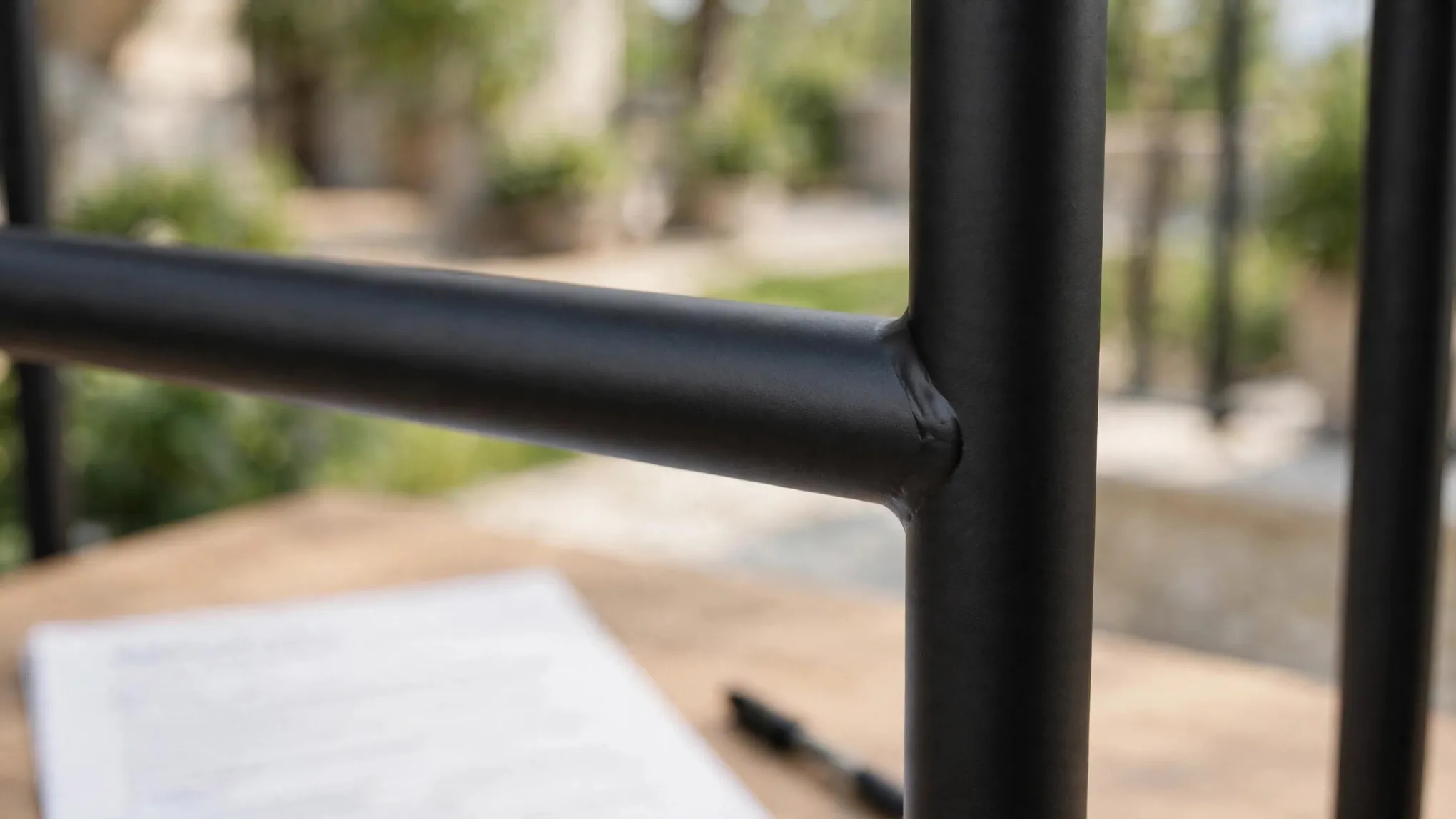
What Does an Outdoor Railing Warranty Cover?
A railing is a purchase that should quietly do its job for years. It steadies a hand on the stairs and edges a balcony. So when a weld cracks, a finish peels or a baluster works loose, the first question is the same: is this covered? For buyers comparing metal stair railings outdoor, the answer is rarely a simple yes or no. A warranty is not one promise but several, each with its own scope and conditions. Read it before you order, not after a failure.
Structure and Finish Are Two Different Promises
A warranty usually splits the railing in two: structure and finish. Structural cover deals with the metal itself — frame, posts, rails, welds and fixings. Welds failing under normal use, and posts cracking without impact, are what structural cover is written for. Finish cover deals with the surface — the coating, plating or patina that colours the railing and shields the metal beneath. When you compare metal stair railings outdoor, ask which promise applies to which part — they rarely share a length or conditions.
Most claims begin with the finish: peeling, flaking, fading and corrosion can appear long before the structure weakens. A Garden Villa Chrome Brass Vertical Bar Modern Balcony Railing shows how much character lives in a railing's finish — its bright bars and warm brass tone are what guests notice first, and what weather attacks first. A Palace Hall Aged Copper Rose Scrollwork Staircase Handrail shows the other side: aged copper is meant to change with time, so the warranty should draw the line between character and defect.
How Long Does Coverage Usually Last?
There is no standard length for a railing warranty, and that is exactly why buyers should ask. Structural cover generally runs longer than finish cover: a sound weld should outlast a coating facing sun and rain every day. Both figures should appear in writing rather than in a sales conversation. If you are ordering one metal stair railing outdoor for a single staircase, the same questions apply as for a whole hotel order — the length of cover is set by the terms, not by the size of the order. Be wary of a warranty called long or lifetime with no document behind it. Ask for the document itself, and check when the clock starts: delivery, installation, or payment.
What Is Usually Left Out
Every warranty lists what it does not cover, and exclusions are where most disputes begin. Misuse is the most common: a railing climbed on, struck by a vehicle, loaded with a heavy planter or used as a scaffold is unlikely to be covered. Accidents, impacts and storm or flood damage are excluded too. Metal stair railings outdoor are often fitted where guests lean, luggage bumps and cleaners work every day, so the line between normal use and misuse needs a clear look before you sign.
Normal wear is another exclusion buyers misunderstand: a finish that dulls in the sun, or a handrail marked by daily use, is wear, not a defect. Cleaning matters too: harsh chemicals, abrasive pads or a pressure washer held too close can strip a coating, and that is usually blamed on maintenance, not manufacture. Decorative metal stair railings need particular care: their curves and joints trap dirt and moisture, and a warranty rarely covers corrosion that began where nobody cleaned.
Coastal Air and Harsh Climates
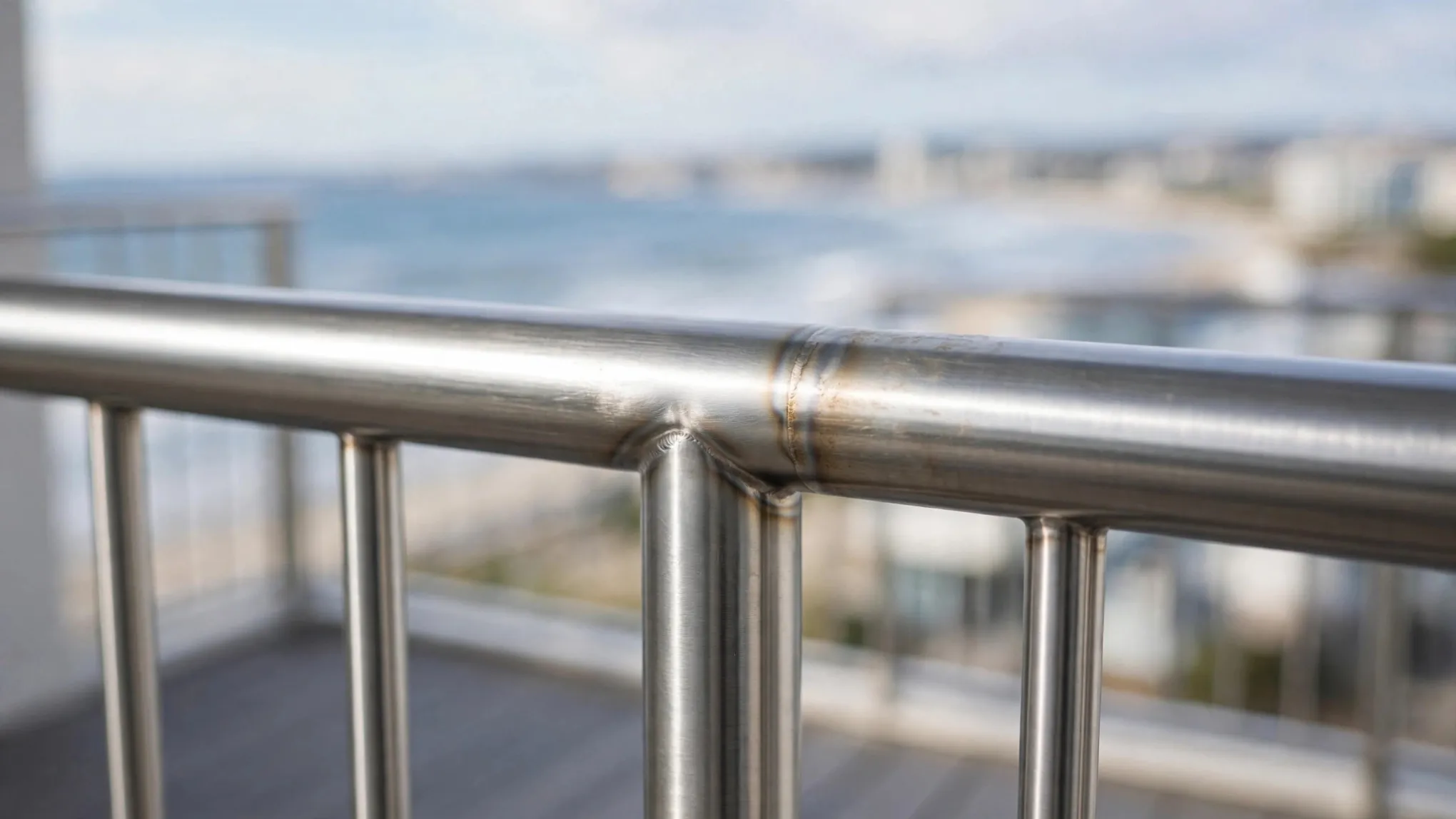
Coastal air is the hardest test for metal stair railings outdoor, and the most common warranty exclusion. Salt speeds up corrosion, especially on fittings and the undersides of rails where water collects. Many suppliers state that installations near the sea carry reduced finish cover, or none, unless a marine-grade treatment was specified and paid for. If your project sits near the coast, raise it before you order, not after rust appears.
An iron balcony railing with a powder-coated finish can serve a coastal villa well when coating and upkeep are right — but both sides must know the terms and the location first. If your iron balcony railing faces the sea, say so in the first message, not the last. A Heritage Courtyard Matte Black Metal Diamond Trellis Balcony Railing in a sheltered courtyard faces a very different life from the same design on a seafront terrace, and the warranty should reflect that.
Installation Problems Sit in a Grey Area
Installation is the grey area in most railing warranties. A railing fixed to a weak wall, bolted into crumbling concrete or set out of level is not a manufacturing fault, and the factory will say so. Suppliers warrant what they made, not how someone else fitted it — so it matters who installs the railing, and whether the installer follows the factory's fixing instructions. Keep the instructions, note who did the work, and photograph the fixings. If the supplier offers its own installation or an approved installer, that closes the gap, because then one party is responsible for making and fitting. Metal stair railings outdoor that fail through a fixing error are a common argument, usually settled by the paperwork — or its absence.
Keep the Paperwork That Proves Your Claim
A warranty claim is only as strong as the proof behind it. Keep the order confirmation, quotation, invoice and delivery note together after the railing is installed — they prove what was ordered and paid, and when it arrived. Keep the warranty document, the factory drawings, and any written agreement about finish, treatment or installation. Your metal stair railings outdoor arrived on one date with one finish — the paperwork proves it.
Photograph the railing on installation day and again at intervals, so a later change can be shown rather than described. If a problem appears, report it promptly in writing, with dated photographs, and keep a copy of every message. Waiting months to report a defect lets the supplier argue the damage came from use, not manufacture.
Questions Worth Asking Before You Order
A short conversation with the supplier before you approve an order can prevent most warranty disputes. Ask what the structure and the finish are covered for, and how long each lasts. Ask what is excluded, and whether coastal exposure, heavy use or hotel use changes the terms. Even a single metal stair railing outdoor for a private home deserves the same written terms as a hotel order — never let a small order go ahead on a handshake. Ask whether the warranty transfers if the property is sold, and whether routine maintenance is a condition of cover: skipping required washing or inspection can void the finish promise.
Ask how a claim is handled: who inspects, who pays, and whether the remedy is a repair, a replacement part or a new section. A Luxury European Metal Balcony Railing may look like one purchase, but its warranty is a set of promises worth reading line by line. Stair work is the same: a Modern Palace Nickel Plated Brass Phoenix Staircase Handrail or an Opulent Residence Brushed Brass Sunburst Art Deco Staircase Handrail has a plated or brushed finish needing different care from powder coating, and the warranty should say so. For decorative metal stair railings, ask how the finish inside scrolls and joints is protected. When metal stair railings outdoor are ordered for a named site and a known climate, the factory can match finish, treatment and fixing to that place.
Kaiyubang builds custom metalwork to order from its own workshop in Foshan, and every railing is made for the project it will serve — hotels, villas and homes that need a railing to fit one place, not any place. Share your drawings, photographs and measurements for a quotation within one business day; most orders are ready to ship within two to four weeks. Write to vivianvee639@gmail.com, call +86 13715181867, or reach out on WhatsApp, and tell the factory where the railing will stand, so finish, treatment and fixing can be matched to it.