Oct 17, 2026 Choose Guiding
Metal Gate Manufacturers | Avoid Project Delays - Kaiyubang
Comparing metal gate manufacturers? Learn how to prevent supplier delays, design mismatches, and installation rework on architectural metalwork projects.
Metal Gate Manufacturers | Avoid Project Delays - Kaiyubang
Choosing metal gate manufacturers is about more than finding an attractive design at an acceptable price. On a construction project, supplier coordination, manufacturing schedules, design accuracy, and installation details all influence whether the finished work arrives ready to fit.
A gate may look impressive in a product photograph. A staircase railing may appear straightforward in a rendering. Yet both can become expensive problems when dimensions, finishes, responsibilities, or delivery dates remain unclear.
The same challenge applies to decorative wall panels, garden structures, and architectural plaques: a successful result depends on the process behind the product.
Four Supplier Problems That Can Disrupt a Construction Project
1. The Supplier Does Not Coordinate with the Project Team
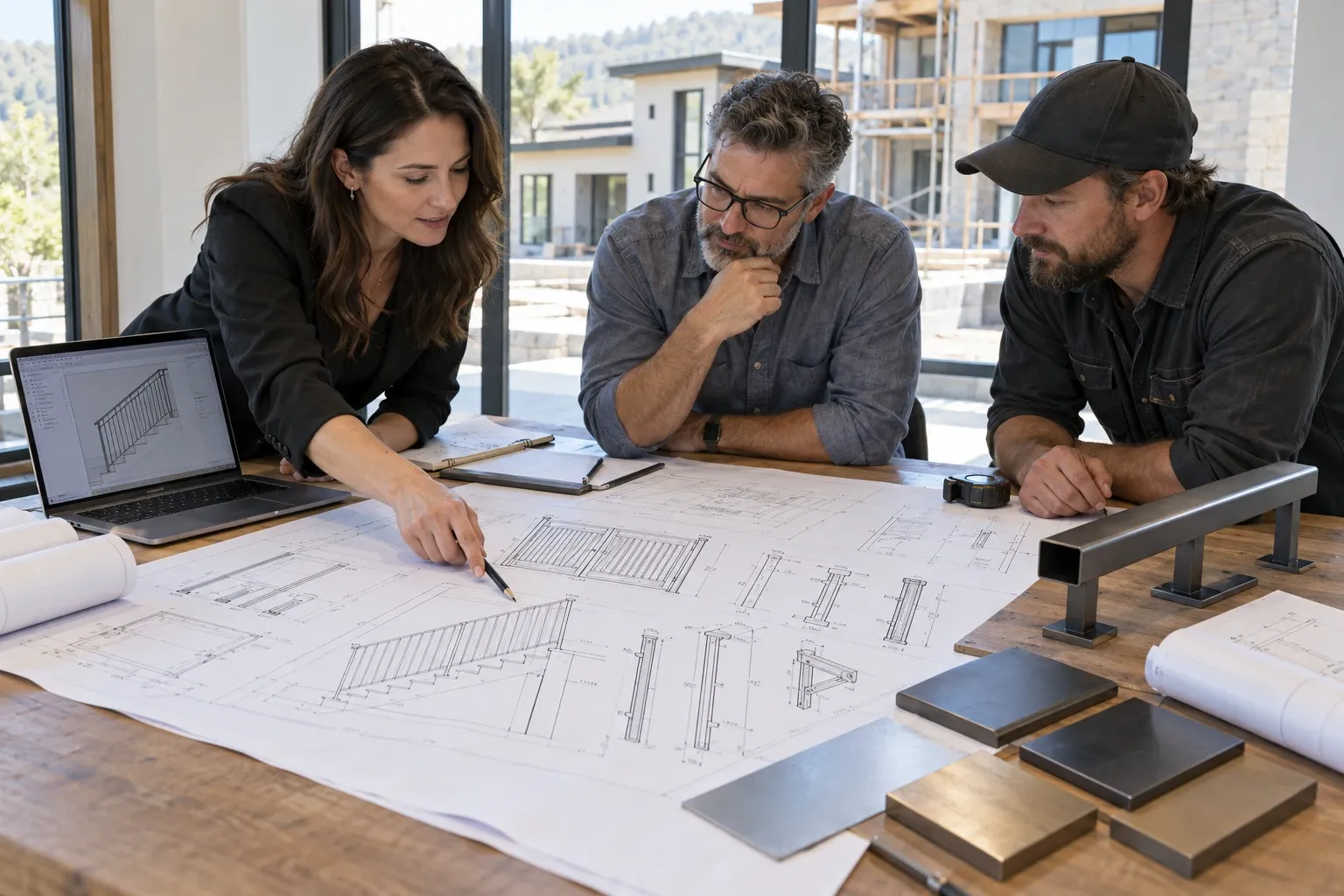
Construction projects involve architects, contractors, purchasers, installers, and several material suppliers. Decisions rarely happen in isolation.
A supplier who responds slowly or provides incomplete information can leave other teams waiting. Missing fixing details may delay structural preparation. An unanswered finish question may hold up approval. Unclear packaging dimensions can complicate delivery planning.
Before placing an order, agree on:
- A named contact responsible for coordination.
- Who prepares and reviews drawings.
- How questions and design changes will be recorded.
- What information the supplier needs from the site.
- Which items are included in the quotation.
- Who approves the final specification.
Good cooperation means providing useful information at the stage when the project needs it.
2. Manufacturing Takes Longer Than Expected
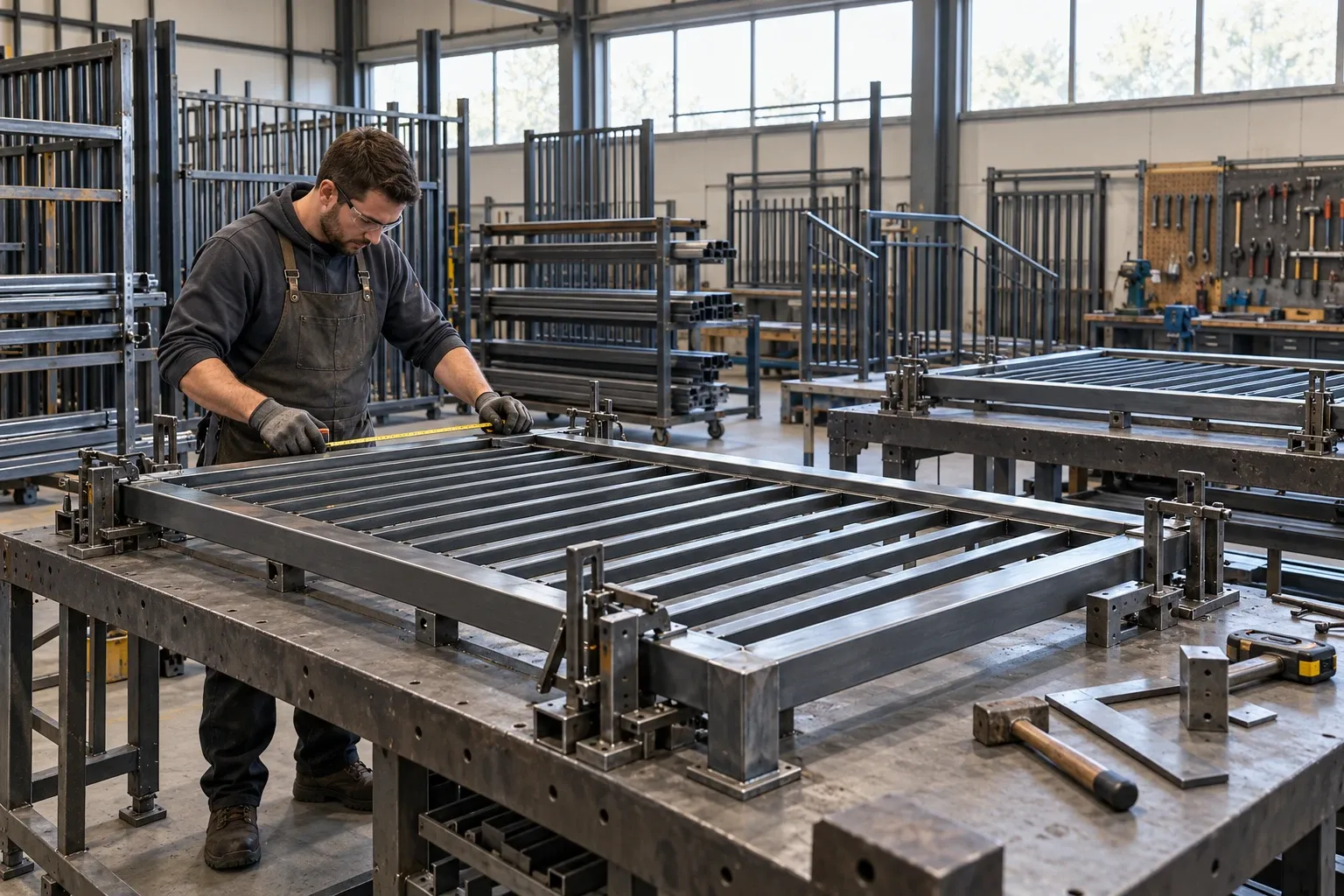
A promised delivery date is difficult to assess without understanding what must happen before production begins.
For handrail manufacturing, the process may include site measurement, drawing preparation, material procurement, fabrication, finishing, inspection, and packing. Some stages depend on approvals or information from the buyer.
If the quotation mentions only “production time,” ask when that period starts and what it excludes.
A workable schedule should distinguish between:
Stage | What to clarify |
|---|---|
Design development | Information required to prepare drawings |
Approval | Who signs off dimensions, materials, and finishes |
Procurement | Availability of specified materials and bought-in components |
Fabrication | Planned start and completion dates |
Finishing | Sample approval and processing time |
Inspection | Checks required before dispatch |
Delivery | Transport arrangements and site receiving conditions |
Gate manufacture should be planned against the installation sequence, rather than treated as a separate purchasing task.
Ask gate manufacturers how they report progress and communicate delays. Early notice gives the project team more options than a revised completion date issued at the last moment.
3. The Delivered Product Does Not Match the Design
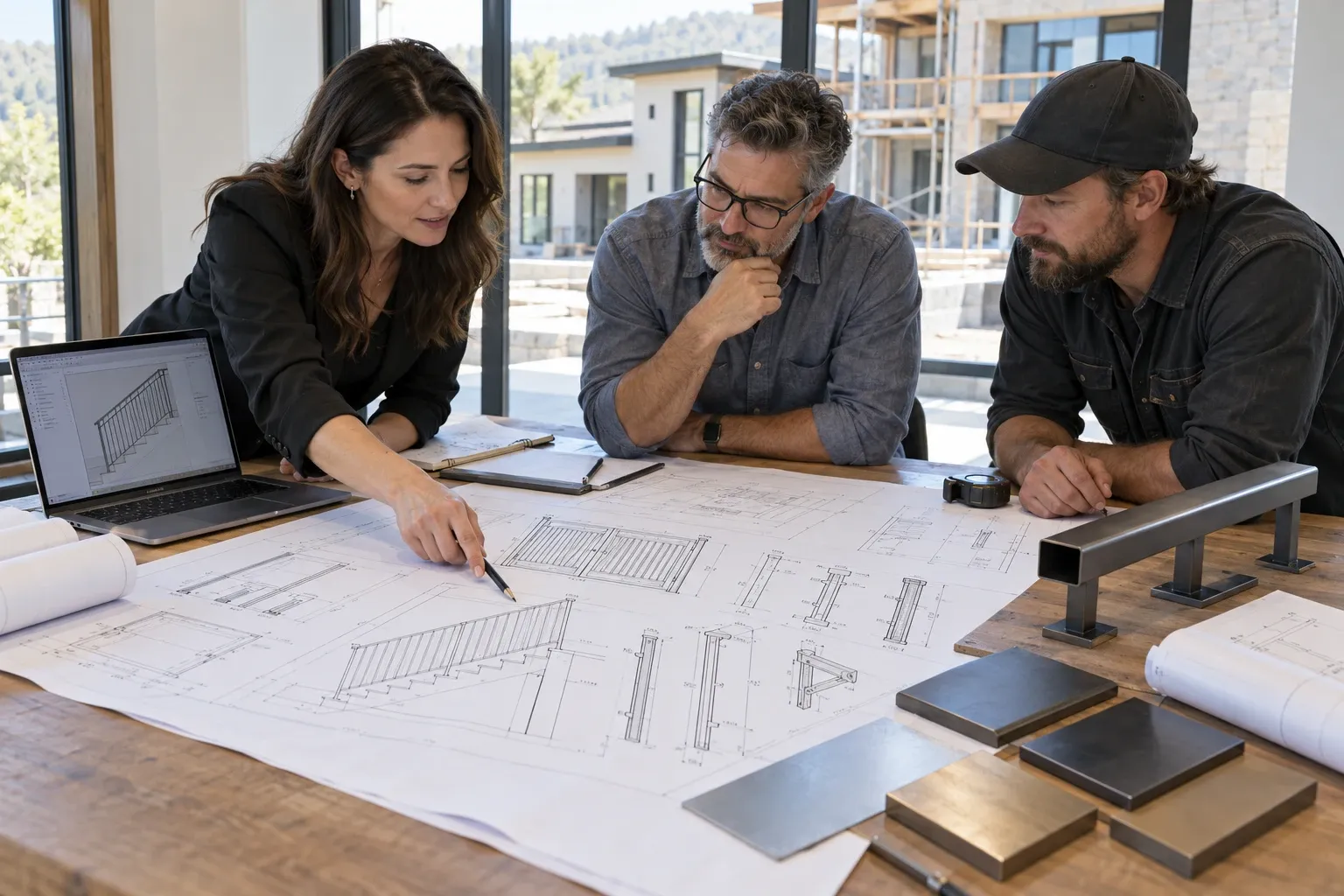
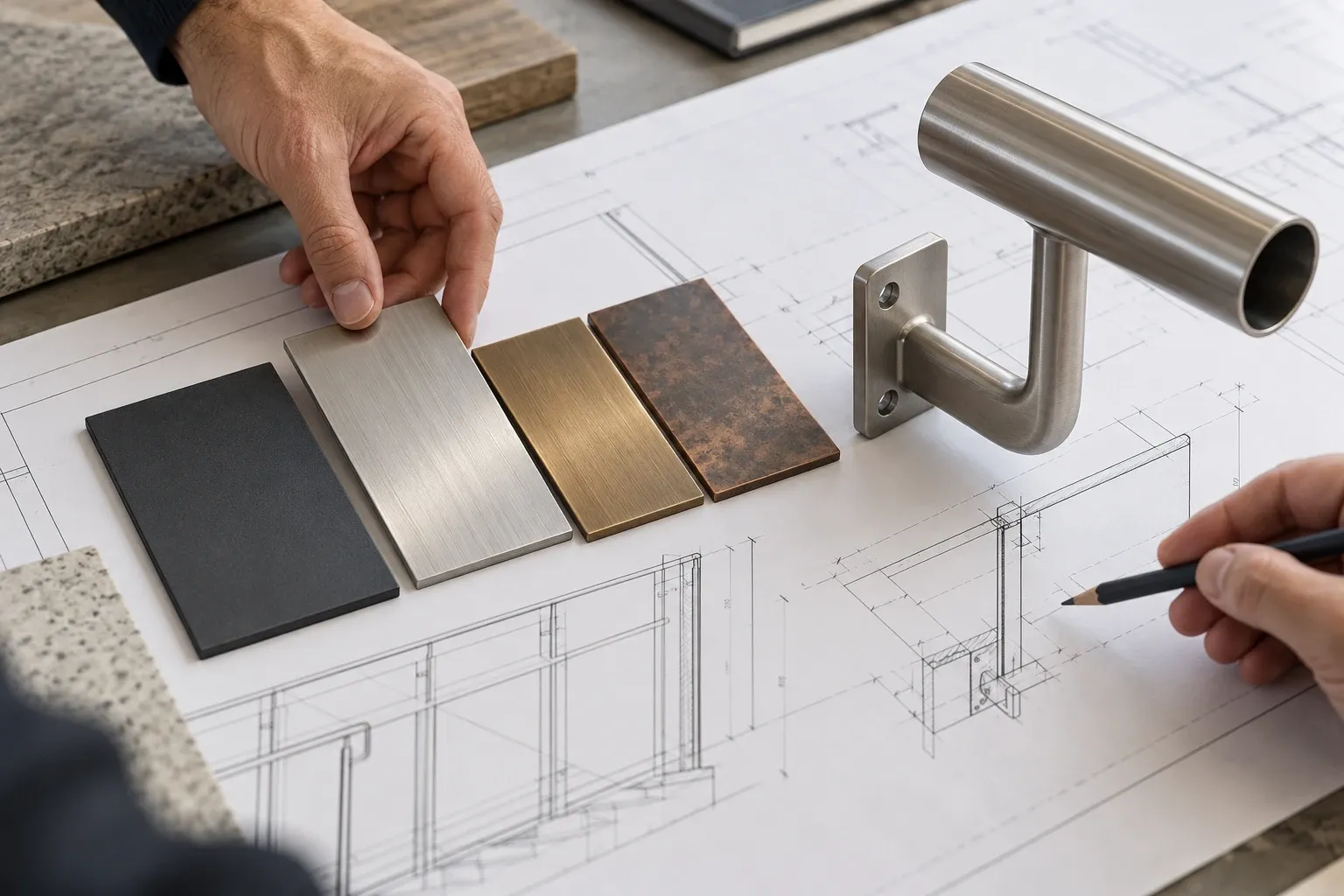
“The finish is different from the rendering” and “the proportions do not look right” are common types of disagreement when the order relies on images alone.
A rendering communicates appearance. It may not define the material grade, section sizes, surface texture, connection details, or acceptable variation.
Turn the design intent into an agreed specification before production.
Depending on the product, this may include:
- Dimensioned shop drawings.
- Material descriptions and section sizes.
- Physical finish samples.
- A representative decorative detail.
- Lettering or artwork proofs.
- An agreed reference for inspection.
For decorative metal gates, check the relationship between the frame, infill pattern, posts, handles, and adjacent walls.
When comparing wall panel manufacturers, discuss panel joints, edge treatment, pattern alignment, and fixing visibility. With a plaque manufacturer, review spelling, lettering size, artwork, and mounting positions.
The goal is to replace assumptions with details that both sides can review.
4. Poor Communication Makes Installation Difficult
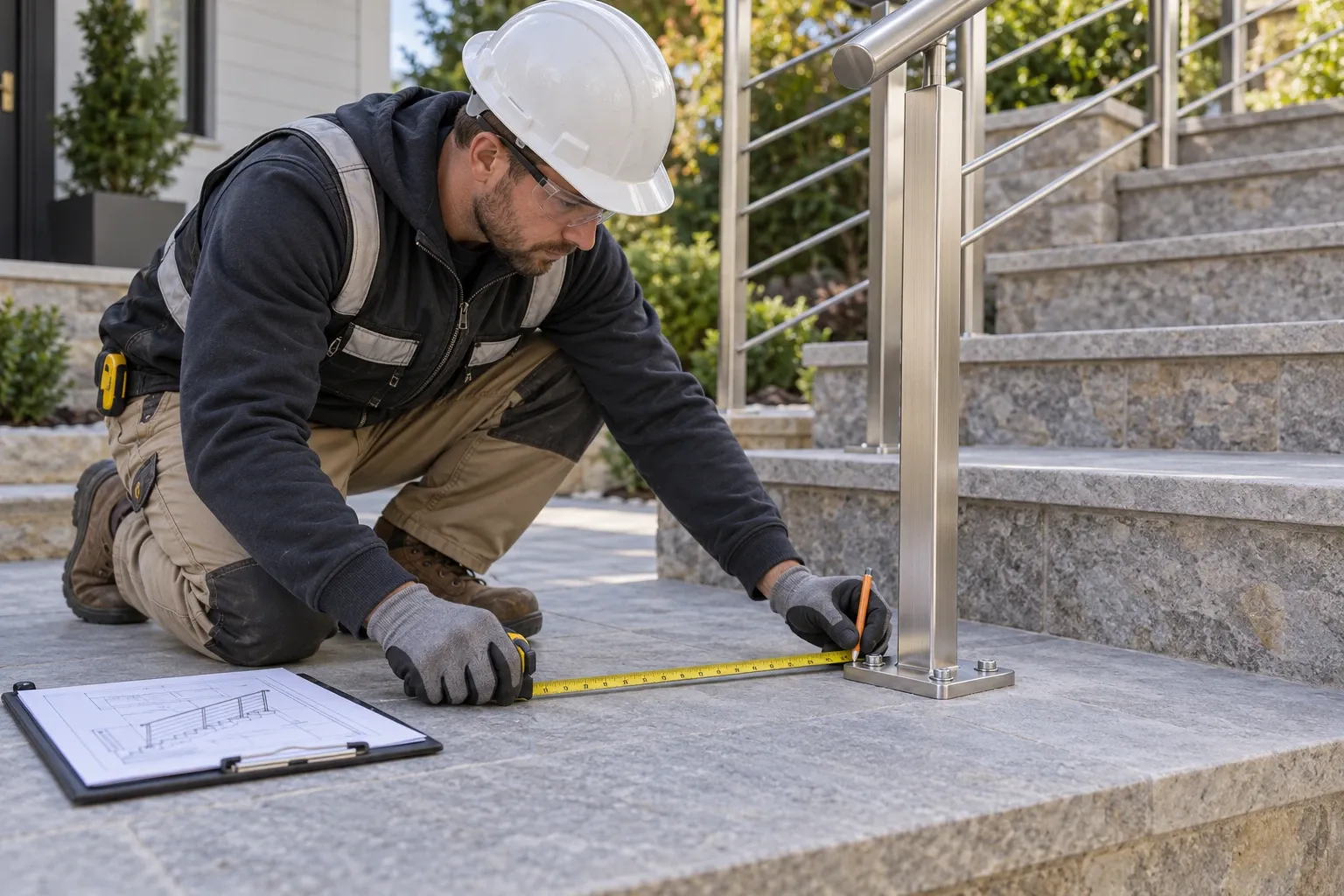
A correctly fabricated product can still be wrong for the site if it was made using incomplete information.
A railing bracket may conflict with an edge detail. A gate may lack sufficient opening clearance. A decorative panel may arrive without a coordinated fixing arrangement.
These problems can lead to additional labor, replacement components, finish repairs, and disruption to other trades.
Before fabrication, confirm:
- Whether dimensions are preliminary or verified on site.
- Which finished surfaces the measurements refer to.
- Who is responsible for checking the supporting structure.
- Which anchors, brackets, and fixings are included.
- What access and equipment the installer will need.
- How site changes will be approved and communicated.
Record critical decisions on the approved drawings. Do not leave them scattered across separate messages.
“Handrail Manufacturers Near Me”: Look Beyond Distance
Searching for “handrail manufacturers near me” is a practical way to find local options, especially when site visits and installation support are important.
However, proximity alone does not establish whether a supplier can meet the project requirements.
When comparing stair railing manufacturers, ask who takes responsibility for measurement, shop drawings, fabrication, delivery, and installation. If those services are provided by different parties, define the handover between them.
For stainless steel handrail manufacturers, also confirm:
- The specified stainless steel grade and its suitability for the exposure.
- The finish and treatment of welded areas.
- Relevant material documentation.
- Protection during transport and subsequent site work.
- Compatibility with the proposed fixings.
The strongest choice is the supplier whose scope, capabilities, and communication process fit the project.
Coordinate Different Metal Products Before Ordering
Separate products often need to work together visually and physically.
A gate, staircase railing, wall panel, and entrance plaque may come from different suppliers. Without a shared reference, finishes described as “bronze” or “matte black” may look noticeably different.
Create a coordinated schedule listing materials, finish references, sample approvals, and interfaces between products.
Gates and Railings
Confirm consistent design proportions where gates and railings are intended to match. Agree on how both connect to walls, posts, stairs, or other supporting elements.
Powered gates require additional coordination of controls and protective measures. The UK Health and Safety Executive’s guidance on powered gate safety explains why safety depends on the complete installation.
Garden Arches and Outdoor Features
When evaluating garden arch manufacturers, discuss overall dimensions, base connections, installation access, and intended exposure.
If climbing plants will be supported, make that part of the brief. Structural requirements should be reviewed for the actual location and use.
Wall Panels and Plaques
Coordinate decorative panel layouts with adjacent finishes before manufacturing begins.
For architectural metal plaques, confirm the inscription, viewing distance, mounting surface, and fixing arrangement. Approve a final proof rather than relying on an early concept image.
How to Build a More Reliable Supplier Brief
A clear brief helps suppliers price the same scope and identify missing information early.
Include:
- Project context: Location, building type, and intended application.
- Drawings: Plans, elevations, sections, and relevant interface details.
- Dimensions: Clearly marked as preliminary or site verified.
- Materials: Required grades, thicknesses, and product construction.
- Appearance: Finish references, samples, and decorative details.
- Responsibilities: Design, measurement, supply, transport, and installation.
- Schedule: Approval deadlines, required delivery dates, and site readiness.
- Acceptance: Inspection points, documentation, and agreed review criteria.
Ask suppliers to identify exclusions and assumptions in their quotation. A lower price is difficult to compare when important parts of the work remain undefined.
Keep Changes Visible Throughout Production
Construction projects evolve. The important question is how changes are controlled.
If the opening size, stair finish, wall thickness, or design changes after approval, notify the affected supplier promptly.
Use a simple change record showing:
- What has changed.
- Which drawing revision applies.
- Whether cost or timing is affected.
- Who has approved the change.
- Whether production can continue.
Before dispatch, request inspection information suited to the order. Photographs can help review appearance and packing, while measurements and agreed checks provide additional evidence. Neither replaces a coordinated installation plan.
Choose a Supplier for the Whole Project Process
Reliable metal gate manufacturers contribute more than fabrication. They clarify requirements, communicate progress, and help the project team resolve details before they become site problems.
The same approach applies to handrails, decorative panels, garden arches, and plaques. Define the scope, approve the details, agree on realistic milestones, and keep changes visible.
Preparing an architectural metalwork enquiry? Contact Kaiyubang to discuss your project requirements, including drawings, quantities, site conditions, and target delivery dates. Use that information to establish the available scope and next steps before committing to production.